


If you’re searching “Best Crypto Exchange Denmark (2026 Guide): Top Platforms for Safe Trading”, you’re probably trying to do two things at once: trade confidently and avoid sketchy platforms.
In Denmark, that usually means picking an exchange that supports secure logins (2FA), smooth funding like SEPA transfers, clear fees, and strong compliance as the EU’s MiCA rules roll out across Europe.
Before we jump in, quick note: this guide is educational (not financial advice). Crypto can be volatile, so the “best” exchange is the one that matches your needs-beginner-friendly buying, advanced trading tools, or low fees for frequent trades.
What “safe” means for Denmark crypto traders in 2026
A safe exchange in Denmark is usually a mix of regulation + security + transparency:
- Regulation/compliance: Denmark has AML rules and the DFSA (Danish FSA) keeps a company register; many crypto businesses also operate under EU frameworks like MiCA.
- Security basics: strong passwords + 2FA, withdrawal whitelists, and reputable custody practices (many top exchanges use cold storage patterns).
- Clear fee model: you should easily find maker/taker fees or spreads on the exchange’s own pages (not hidden).
And yes-MiCA is a big deal because it aims to standardize crypto-asset service rules across the EU, changing what “properly licensed” looks like.
Quick comparison table (Denmark-friendly platforms)
This table is meant to help you shortlist quickly. Fees can change by volume, product, and region-so always double-check before depositing.
| Platform | Best for | Typical trading fee style | Fiat funding that works well in DK | Notes |
|---|---|---|---|---|
| Binance | Low fees + lots of coins | Spot maker/taker starts around 0.10% / 0.10% | Varies by method; app is supported in Denmark | Strong fee tiers; huge ecosystem |
| Kraken | Safety-first + solid Pro tools | Tiered maker/taker | SEPA / SEPA Instant options (EUR) | SEPA deposits can be free depending on rail |
| Coinbase | Beginner-friendly + trusted brand | Maker/taker on Advanced Trade | EEA support varies by payment method | Strong UX; fees depend on product |
| Bitstamp | Long-running exchange | Fee schedule + tiers | SEPA support (varies by bank setup) | Simple, “classic exchange” vibe |
| Bitpanda | Easy “buy/sell” + DKK-friendly feel | Spread/premium model (e.g., BTC premium shown) | Supports DKK references (limits show DKK) | Great for beginners; costs aren’t maker/taker |
| Gemini | Compliance-forward + ActiveTrader | ActiveTrader maker/taker (starts around 0.20% / 0.40%) | Denmark page lists EUR/GBP | Clean UI + strong compliance posture |
| eToro | “All-in-one” investing feel | Broker-style pricing | Now pushing DKK accounts for Denmark | More like a multi-asset platform |
Top platforms for Denmark in 2026 (detailed picks)
Binance – best for low fees + huge coin selection
If you care about low trading fees and lots of markets, Binance is hard to ignore. Their public fee page shows a baseline spot fee around 0.10% maker / 0.10% taker for regular users, with lower rates via VIP tiers and discounts.
Why people in Denmark like it:
- Massive selection of assets and trading pairs
- Tools for beginners and advanced traders
- Competitive fee structure (especially if you trade actively)
Watch-outs (real talk):
- Payment rails and features can vary by region and method, so always confirm what’s available for your Denmark account.
- Because it’s feature-rich, it can feel overwhelming at first.
Good for: active traders, altcoin traders, people who want a full ecosystem.

Kraken – best “security-first” exchange with strong pro trading
Kraken is often the “calm, serious” choice-good for traders who value reliability and clear funding. Their support docs list SEPA / SEPA Instant deposit options (EUR) with details on minimums/processing times, which matters a lot for Denmark users who fund via bank transfer.
Why it works well in Denmark:
- SEPA rails are familiar and usually low cost
- Kraken Pro experience is strong for charting and order types
- Transparent funding documentation
Watch-outs:
- If you’re brand new, the Pro interface can be “too much” on day one-but you can start simple and grow into it.
Good for: safety-minded traders, EUR/SEPA funders, people who want pro tools without chaos.
Coinbase – best for beginners who want a simple, trusted experience
Coinbase is popular because it’s extremely beginner-friendly: clean layout, easy buying, and a big brand presence.
On the fee side, Coinbase explains the maker vs taker concept for Advanced Trade fees, and also notes that payment method availability depends on location and other factors (so Denmark users should check inside their account).
Why Denmark users choose it:
- Very easy onboarding (KYC verification is straightforward)
- Smooth UX on mobile (great “first exchange”)
- Good for long-term holding + occasional trades
Watch-outs:
- Fees can be higher depending on the product and how you place orders (instant buy vs advanced orders).
Good for: first-time buyers, people who want simplicity over maximum features.
Bitpanda — best for easy buying (and a “simple money app” vibe)
Bitpanda is more of a streamlined platform than a hardcore exchange. Instead of classic maker/taker, Bitpanda commonly uses a premium/spread model-their support page mentions premiums (for example, BTC premium values are published in their help docs).
Why it’s popular with newer users:
- Simple buy/sell flow (less intimidating than pro exchanges)
- Strong “app-first” experience
- Their limits documentation explicitly references DKK amounts (useful for Denmark readers)
Watch-outs:
- Spread/premium pricing can be more expensive than maker/taker exchanges for frequent traders.
- If you’re a day trader, you may prefer a true order-book exchange.
Good for: beginners, long-term investors, people who want easy recurring buys.
Gemini – best for compliance-minded users + ActiveTrader fees
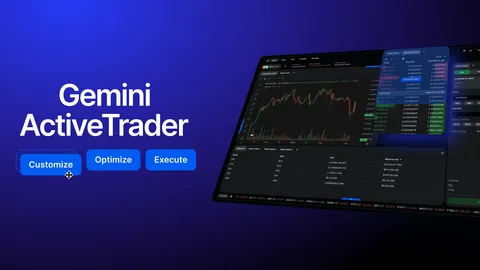
Gemini has a dedicated page stating it’s available in Denmark and lists fiat availability (EUR/GBP) under an EEA passport approach. For active trading, Gemini’s ActiveTrader fee schedule shows maker/taker rates starting around 0.20% maker / 0.40% taker (and improves with volume).
Why you might like it:
- Strong “regulated-first” brand positioning
- Clean interface and clear fee schedules
- Good balance between simplicity and pro tools (ActiveTrader)
Watch-outs:
- Funding and fiat options are more limited than some competitors (and may be EUR-based rather than DKK-native).
Good for: people who prioritize compliance and clean fee structures.
Bitstamp – best “classic exchange” feel (simple and established)
Bitstamp is one of the older names in crypto. Their public fee schedule and policies are easy to find, which is a green flag for transparency.
Why Denmark users consider it:
- Straightforward exchange experience
- Less “noise” than super feature-heavy platforms
- Good for people who want something stable and traditional
Watch-outs:
- Depending on your trading volume and deposit methods, it may not be the cheapest.
Good for: people who want an established exchange with a simpler vibe.
eToro – best if you want DKK accounts + multi-asset investing style
eToro is a multi-asset investment platform (not a pure crypto exchange experience). The big Denmark-specific news is that eToro announced improvements for Danish users including DKK accounts, aimed at reducing conversion costs.
Why it’s useful:
- If you like seeing stocks/ETFs/crypto in one place, it’s convenient
- DKK account support can reduce friction for Denmark users
- Strong “investing platform” feel vs “exchange trader” feel
Watch-outs:
- It’s not the same as an order-book exchange for advanced crypto traders.
- Always read their crypto fee info and product details carefully.
Good for: investors who want simplicity and multi-asset access.
Denmark-specific: local registration and DFSA “signal checks”
If you’re trying to be extra careful, it helps to understand Denmark’s compliance landscape:
- The Danish FSA company register contains data on companies under DFSA supervision and authorizations/notifications.
- Denmark’s AML rules require certain crypto businesses (like exchanges/wallet providers offering services commercially) to register as VASPs.
- A Danish company example: Coinify states it is incorporated in Denmark and registered with the DFSA under the Danish Anti-Money Laundering Act.
This doesn’t mean you must use only Denmark-incorporated companies. It just gives you a practical habit: check the legal page + regulatory wording + transparency before trusting a platform.
Safety checklist (do this before you deposit any money)
Here’s a simple “don’t skip this” list—especially if you’re new.
- Turn on two-factor authentication (2FA) immediately.
- Use a unique password + password manager.
- Complete KYC verification early so withdrawals don’t get stuck later.
- Start with a small test deposit (like €10–€20) via SEPA instant deposit if available.
- Learn the difference between:
- Market orders (fast, but you pay taker fees/slippage)
- Limit orders (more control, often maker fees)
- If you’re holding long-term, consider moving funds to your own wallet (self-custody).
How to choose the best crypto exchange in Denmark (quick decision guide)
If you want a shortcut, here’s the cheat-sheet style logic:
- I want the cheapest trading: Binance (fees) or Kraken Pro style.
- I’m brand new: Coinbase or Bitpanda for simplicity.
- I want a compliance-first feel: Gemini.
- I want “classic exchange, no drama”: Bitstamp.
- I want DKK account + investing platform: eToro.
FAQs
Yes, crypto is legal, but businesses offering certain crypto services must follow AML rules and registration requirements, and EU-wide rules under MiCA are shaping the market.
For many people, SEPA bank transfer (EUR) is the smoothest route, and some platforms support SEPA Instant depending on the bank/payment rail.
Binance publicly lists spot trading fees starting around 0.10% / 0.10%, and fee tiers can reduce costs for higher-volume traders.
Coinbase is often the easiest starting point due to UX and guided onboarding, while Bitpanda keeps buying/selling very simple (though it uses premium/spread pricing rather than maker/taker).
Not always. Some platforms are EUR-first via SEPA. Others are adding more Denmark-local features—like eToro announcing DKK accounts for Danish users.
MiCA is the EU’s Markets in Crypto-Assets framework that standardizes crypto-asset service rules across Europe, affecting licensing, consumer protection, and how exchanges operate across EU countries.
Final thoughts
If you want the simplest “best overall” pick for most Denmark users in 2026, a smart approach is: choose a reputable, transparent platform, fund it safely (often via SEPA), enable 2FA, and start small while you learn the fee system. For many people that means Coinbase or Bitpanda for day-one simplicity, then moving to Kraken/Binance/Gemini if you want more control, lower fees, or stronger pro tools.


