

Cryptocurrency has become a powerful financial tool for people all over the world — including France. But when it comes to choosing the best crypto wallet in France (meilleur portefeuille crypto), it’s not just about flashy apps or trendy gadgets. It’s about top-level security, full control over your assets, ease of use, and long-term reliability in a rapidly evolving crypto landscape.
What Is a Crypto Wallet and Why Does It Matter?
A crypto wallet is a tool that lets you store, send, and receive cryptocurrencies like Bitcoin, Ethereum, and thousands of other tokens. Importantly:
- A wallet doesn’t actually store coins — your crypto always lives on the blockchain.
- What the wallet actually stores is your private keys — the cryptographic credentials that prove you own the crypto.
Because of this, the security of the wallet is arguably the most important factor when choosing one.
There are two big categories of wallets:
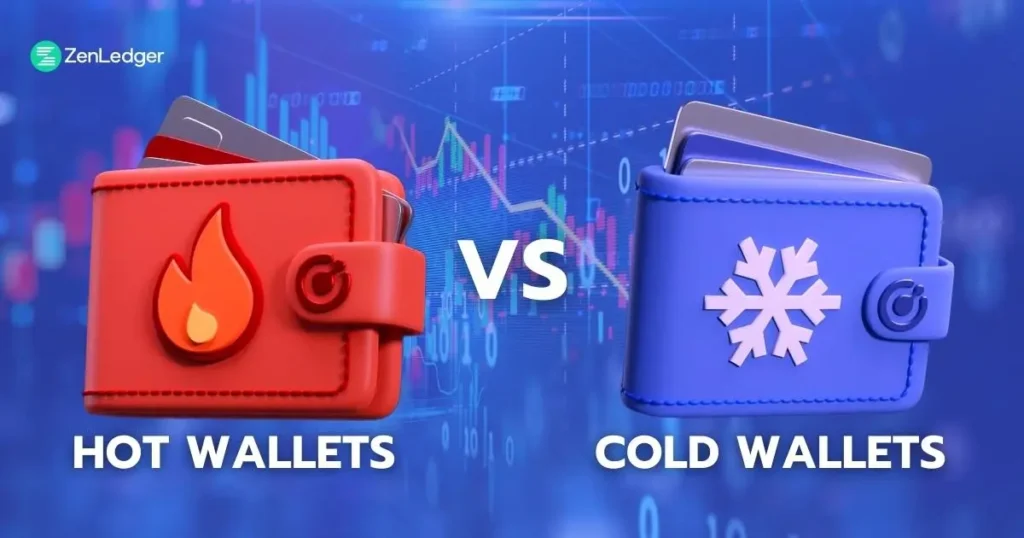
- Hot Wallets – connected to the internet (apps/web wallets). Fast and convenient.
- Cold Wallets – offline (hardware or paper). Much more secure.
Most safe crypto investors use a mix of both.
Crypto Wallet Comparison Table — France 2026
| Wallet | Type | Custody | Security | Multichain Support | French UI | Fiat (EUR) |
|---|---|---|---|---|---|---|
| Ledger Nano X / S Plus | Cold | Non‑custodial | Highest | Yes | Yes | No |
| Trezor Model T | Cold | Non‑custodial | Very High | Yes | Partial | No |
| Trust Wallet | Hot | Non‑custodial | Strong | Yes | Yes | No |
| MetaMask | Hot | Non‑custodial | Strong | EVM Chains | Yes | No |
| Bitget Wallet | Hot | Non‑custodial | Good | Yes | Yes | No |
| Uphold Wallet | Hot | Custodial | Medium | Yes | Yes | Yes |
| Zengo Wallet | Hot | Non‑custodial | High | Yes | Yes | No |
Cold Wallets vs Hot Wallets
Hot Wallets — For Everyday Use
Hot wallets are crypto wallets that stay connected to the internet, making them ideal for daily transactions, active trading, DeFi participation, NFTs, and DApp usage. They are especially popular among beginners and frequent crypto users in France because of their speed, convenience, and accessibility.
Pros of Hot Wallets
Easy to Use & Quick Access
Hot wallets are designed with simplicity in mind. You can send, receive, and manage crypto within seconds using a smartphone or browser extension. This makes them perfect for users who trade often or interact with crypto daily.
Best for DeFi, NFTs, and DApps
If you use decentralized finance platforms, NFT marketplaces, or Web3 applications, hot wallets are essential. They allow seamless connection to Ethereum, BNB Chain, Polygon, Solana, and many other networks with just one click.
Mobile & Browser Support
Most hot wallets offer mobile apps (iOS & Android) and browser extensions (Chrome, Firefox, Brave), giving you full access wherever you are. This flexibility makes hot wallets highly practical for modern crypto users.
Cons of Hot Wallets
Higher Security Risk Due to Online Exposure
Because hot wallets are always connected to the internet, they are more vulnerable to hacking, phishing attacks, and malware compared to cold wallets. Users must be cautious when clicking links or interacting with unknown DApps.
You Are Responsible for Backups & Recovery
Most hot wallets require users to securely store their recovery phrase or backup keys. If you lose this information and your device is damaged or stolen, you may permanently lose access to your funds.
Popular Hot Wallets in France
Trust Wallet — Best User-Friendly Mobile Wallet
Trust Wallet is widely used in France for its clean interface and beginner-friendly experience. It supports thousands of cryptocurrencies across multiple blockchains and includes built-in staking, NFT storage, and DApp browsing — all from a single mobile app.
MetaMask — Ideal for DeFi, NFTs & Developers
MetaMask is the go-to wallet for Ethereum-based DeFi platforms and NFT marketplaces. With powerful browser and mobile support, advanced network customization, and strong community trust, it’s especially popular among experienced users and developers.
Bitget Wallet — Multichain Powerhouse
Bitget Wallet supports a wide range of blockchains and offers advanced features like NFT management, token swaps, and staking tools. Its all-in-one ecosystem makes it a strong choice for users managing diverse crypto portfolios.
Zengo Wallet — High Security Without Seed Phrases
Zengo stands out with its keyless security model, removing the need for traditional seed phrases. Using advanced cryptography and biometric authentication, it offers a safer and more user-friendly experience — perfect for users who want strong security without complex backup processes.
Cold Walets
Cold wallets are cryptocurrency wallets that store your private keys completely offline, making them the safest option for protecting digital assets. They are best suited for users who prioritize security over convenience, especially long-term investors and serious HODLers in France.
Because cold wallets remain disconnected from the internet, they are highly resistant to hacking, phishing, and malware attacks that commonly affect online wallets.
Pros of Cold Wallets
Offline Storage Offers Superior Security
Cold wallets never expose private keys to the internet. This dramatically reduces the risk of cyberattacks, unauthorized access, and remote theft — making them the gold standard for crypto security.
Ideal for Long-Term HODLing
If you plan to hold Bitcoin or other cryptocurrencies for months or years, cold wallets are the safest choice. Many French investors use them to store large balances without worrying about daily market activity.
Strong Resistance to Online Hacks
Unlike hot wallets, cold wallets cannot be compromised through phishing emails, fake websites, or malicious browser extensions. Transactions must be physically approved on the device itself.
Cons of Cold Wallets
Less Convenient for Frequent Trading
Cold wallets are not designed for daily use. Every transaction requires connecting the device to a computer or phone and manually confirming actions, which can slow down active trading or DeFi usage.
Physical Device Cost
Hardware wallets are not free. Users must purchase the device, and prices vary depending on features. However, this one-time cost is often considered a small investment compared to the value of assets being protected.
Top Cold Wallets
Ledger Nano X / Ledger Nano S Plus — France’s Leading Hardware Wallets
Ledger is a France-based company and one of the most trusted names in crypto security. The Ledger Nano X offers Bluetooth connectivity for mobile use, while the Nano S Plus provides an affordable option with strong offline protection. Both support thousands of cryptocurrencies and integrate seamlessly with the Ledger Live app for portfolio management.
Trezor Model T — Open-Source Security You Can Trust
The Trezor Model T is known for its fully open-source firmware, allowing the global crypto community to audit its security. It features a touchscreen interface, strong passphrase protection, and broad asset support — making it a top choice for transparency-focused users.
Top Crypto Wallets in France — Detailed Reviews
1. Ledger Nano X / Nano S Plus
Best Overall Cold Wallet for French Users
Ledger is a French company and one of the most trusted names in crypto security. Its hardware wallets store your private keys offline, protecting them from online attacks.
Highlights
- Supports thousands of cryptocurrencies.
- French language support & local customer resources.
- Bluetooth (Nano X) or USB (Nano S Plus).
Best For: Long‑term investors holding high value crypto.
Cons: Higher upfront cost; not ideal for frequent trading.
2. Trust Wallet
Best Hot Wallet for Everyday Use
Owned by Binance and widely used in Europe, Trust Wallet is one of the most mainstream hot wallets worldwide.
Highlights
- Supports 100+ blockchains and assets.
- NFT & DeFi integration inside the app.
- Easy mobile experience for beginners.
Best For: Users who want simplicity and broad asset support.
Cons: No native fiat on‑ramp; your keys are stored on your phone.
3. MetaMask
Best Wallet for DeFi & Web3 Access
MetaMask is the go‑to wallet for Ethereum and EVM‑compatible blockchains.
Highlights
- Works as browser extension + mobile app.
- Superb access to decentralized apps and NFT marketplaces.
Best For: Advanced DeFi users and Web3 explorers.
Cons: Slight learning curve for beginners.
4. Zengo Wallet
Unique Non‑Custodial Security
Zengo uses advanced tech without seed phrases, meaning one less thing to worry about losing.
Highlights
- Biometric & MPC‑based security.
- Beginner‑friendly experience.
Best For: Users who want high security without complex setup.
Cons: Asset support smaller than Ledger or Trust Wallet.
5. Uphold Wallet
Custodial Wallet With Fiat Support
Perfect for French users who want EUR transactions inside the wallet.
Highlights
- Buy/sell crypto directly with EUR.
- Good for casual investors.
Best For: Users who want trading and storage in one place.
Cons: Custodial means you don’t control your private keys.
How to Choose the Right Crypto Wallet for You
Consider the following when deciding:
Security
If you hold significant crypto — prefer cold wallets like Ledger or Trezor.
Usage
Want fast trading or DeFi? Hot wallets excel here.
Ease of Use
Beginners benefit from wallets with simple interfaces (Trust, Zengo).
Local Considerations
French language UI and regulation‑compatible wallets make life easier.
Bonus: Regulatory Snapshot — Crypto in France
While Bitcoin and cryptocurrencies are legal in France, they are regulated. This includes requirements under French financial law to ensure transparency, anti‑money laundering measures, and identity verification for institutional services.
FAQs (Frequently Asked Questions)
The Ledger Nano X / S Plus cold wallets are widely regarded as the safest way to store Bitcoin and other major coins offline.
Yes — exchanges control your keys. A wallet where you own your private keys gives you real control and security.
Some wallets like Uphold allow direct EUR transactions, but many non‑custodial wallets require external services to buy crypto.
Custodial wallets hold keys for you (easier but less secure).
Non‑custodial means you control your keys (more secure).
If you’re storing significant crypto value, cold wallets are worth every cent for security.
Yes — if you lose your private key or seed phrase without backup, you can permanently lose access.
Final Thoughts, Your 2026 Crypto Wallet Strategy
In 2026, the crypto landscape in France is mature, diverse, and user‑oriented. From hardware wallets that keep your keys offline to intuitive mobile apps that let you explore DeFi and NFTs, there’s a wallet for every type of crypto user.
Here’s a simple strategy:
Use a hardware wallet (e.g., Ledger) for your long‑term crypto assets.
Keep a hot wallet (Trust, MetaMask, Zengo) for daily use, DeFi, and connecting to apps.
Consider wallets with EUR support if you want easy fiat access.
Your crypto journey should be secure, flexible, and tailored to your needs — and the right wallet makes all the difference.