

Cryptocurrency investing and trading has exploded in popularity, and like everything related to money, taxes eventually come into the picture. If you’re a crypto trader or investor in Germany, understanding how the tax system treats digital assets is not optional – it’s essential.
From long-term tax-free gains to short-term income tax obligations, Germany has one of the most unique crypto tax frameworks in the world. In this detailed yet conversational guide, we’ll explain crypto tax rules in Germany, when you need to pay tax, how much you may owe, and what every trader must know before tax season arrives.
How Germany Views Cryptocurrency for Tax Purposes
Germany does not treat cryptocurrency like stocks or traditional capital investments. Instead, crypto is classified as a private asset (Privatvermögen), similar to collectibles or precious metals.
This classification plays a huge role in how profits are taxed, because digital assets like Bitcoin or Ethereum are viewed differently under tax law compared to traditional financial instruments.
If you’re new to digital currencies and want a clear explanation of what cryptocurrency actually is, check out what is cryptocurrency for a simple breakdown before moving deeper into the tax rules.
Here’s the simple takeaway:
- Hold crypto for more than 12 months → Gains are completely tax-free
- Sell or dispose of crypto within 12 months → Profits may be taxable
- Small annual profits may still be tax-free under exemption limits
Because of this approach, Germany is considered one of the most crypto-friendly countries for long-term investors. Unlike many jurisdictions where capital gains tax applies regardless of holding time, Germany rewards patience.
The One-Year Rule – Germany’s Biggest Crypto Tax Advantage
The one-year holding rule is the foundation of crypto taxation in Germany and the single most important rule every trader should understand.
How the One-Year Rule Works
| Scenario | Tax Treatment |
|---|---|
| Crypto held for 12 months or more | 100% tax-free gains |
| Crypto sold within 12 months | Potentially taxable |
| Short-term gains below exemption | Tax-free |
If you buy cryptocurrency and sell it after 365 days, any profit you make is completely exempt from tax, regardless of how large the gain is. This applies to Bitcoin, Ethereum, and all other cryptocurrencies.
This rule makes Germany extremely attractive for long-term holders. Instead of worrying about capital gains percentages, your tax liability can literally drop to zero simply by holding long enough.
Annual Exemptions – Understanding the Threshold Rules
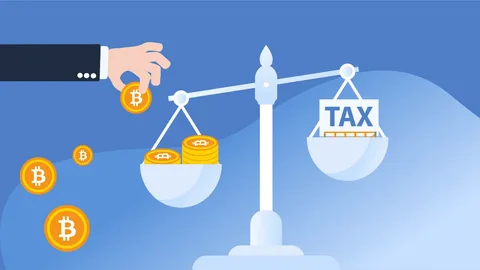
Even if you sell crypto within one year, Germany offers an annual exemption for private sales. This exemption allows traders to earn a certain amount in profits without paying any tax.
Annual Crypto Tax Exemption
| Tax Year | Tax-Free Limit |
|---|---|
| Up to 2024 | €600 |
| 2025 onward | €1,000 |
This exemption applies to total short-term gains, not individual trades.
Important Rule: Freigrenze
Germany applies a threshold rule, not a deduction. This means:
- If your total gains stay below the limit, you pay no tax
- If your gains exceed the limit by even €1, the entire amount becomes taxable
This makes careful planning essential, especially for active traders.
What Counts as a Taxable Crypto Event?
Not every crypto action triggers tax. The key concept is “disposal.” A disposal occurs when you give up ownership of crypto in exchange for something else.
Taxable vs Non-Taxable Crypto Activities
| Activity | Taxable? | Explanation |
|---|---|---|
| Selling crypto for euros | Yes | Taxable if held under 12 months |
| Swapping crypto to crypto | Yes | Treated like selling |
| Spending crypto | Yes | Profit realized at spend time |
| Transferring between your own wallets | No | No ownership change |
| Holding crypto | No | No tax event |
| Receiving unconditional airdrops | Usually no | Depends on conditions |
| Receiving crypto as income | Yes | Treated as income |
This means even crypto-to-crypto trades can trigger taxes, something many traders overlook.
Staking, Mining & Crypto Income – How They’re Taxed
While long-term holding can be tax-free, crypto income is treated differently. Any crypto earned through activity is usually taxable when received.
How Crypto Income Is Taxed
- Mining rewards vs Staking rewards: Taxed as income at receipt.
- Earned airdrops: Taxed if conditions or tasks are involved
- Later sale of rewards: Subject to holding-period rules
Even if you hold staking or mining rewards for more than one year, the income portion is still taxed at the time you receive it.
German Income Tax Rates Applied to Crypto
When crypto profits or income are taxable, they’re added to your personal income and taxed progressively.
Germany Income Tax Brackets
| Annual Taxable Income | Tax Rate |
|---|---|
| Up to €12,084 | 0% |
| €12,085 – €17,430 | 14% – 24% |
| €17,431 – €68,430 | 24% – 42% |
| €68,431 – €277,825 | 42% |
| Over €277,826 | 45% |
Additional charges may apply, such as solidarity surcharge and church tax.
This means short-term crypto profits can significantly increase your tax bill if you fall into a higher income bracket.
Reporting Crypto Taxes in Germany
If you have taxable crypto activity, you must report it correctly.
What You Need to Do
- Declare crypto gains in your income tax return
- Use Anlage SO for private sale transactions
- Report staking and mining as income
- Maintain records of purchase dates, sale dates and euro values
Good record-keeping is essential. German tax authorities expect accurate documentation and may request historical records.
Crypto Adoption & Tax Reality in Germany
Germany has one of Europe’s largest crypto user bases, with millions of active investors. While long-term holders benefit from tax-free gains, short-term trading and income activities still generate taxable obligations.
A large portion of crypto profits remains untaxed legally due to the one-year rule, but tax authorities are increasingly focused on compliance, especially as exchanges share transaction data.
This makes understanding and following the rules more important than ever.
Smart Strategies to Reduce Crypto Taxes Legally
Experienced traders use several legal strategies to optimize taxes:
1. Hold Longer Than One Year
Timing plays a crucial role in crypto taxation in Germany. Selling your crypto even slightly before the 12-month mark can make the entire profit taxable. By holding your assets for more than one year, you can legally enjoy completely tax-free gains, making patience one of the smartest tax strategies for traders.
2. Use the Annual Exemption
Germany allows a tax-free annual exemption on short-term crypto gains, making it a valuable tool for active traders. If your total short-term profits stay below the exemption limit, you won’t owe any tax at all. Careful planning of trades and timing disposals can help you remain within this threshold and avoid unnecessary tax liabilities.
3. Track Every Transaction
Accurate record-keeping is essential for crypto taxation in Germany, as every transaction can impact your tax liability. Crypto-to-crypto swaps, spending crypto on goods or services, and earning rewards are all considered relevant tax events. Maintaining detailed records of dates, values, and transaction types helps ensure correct reporting and protects you in case of a tax review.
4. Separate Income from Gains
Crypto income such as staking or mining rewards is taxed differently from trading gains in Germany. Income is usually taxable when received, while gains depend on the holding period. Mixing these two categories can lead to incorrect reporting or overpaying taxes, so keeping them clearly separated ensures accuracy and compliance.
5. File Even When No Tax Is Due
Even if you owe no tax on your crypto activity, filing your return helps establish a clear and transparent compliance history. It shows that you are proactively reporting your transactions, not avoiding them. This can reduce the risk of future inquiries and make any potential tax review much smoother.
Common Crypto Tax Mistakes to Avoid
Many traders unintentionally create tax issues by:
- Selling just before the one-year mark
- Ignoring crypto-to-crypto swaps
- Failing to track transaction dates
- Mixing personal and business activity
- Assuming small trades don’t matter
Avoiding these mistakes can save you thousands.
Frequently Asked Questions (FAQs)
Yes, but only under certain conditions. Long-term gains are tax-free, while short-term gains and income are taxable.
Yes. Profits from crypto held longer than 12 months are completely tax-free.
Yes. Crypto-to-crypto trades count as disposals.
Yes. They are taxed as income when received.
All gains become taxable, not just the excess.
Reporting is still recommended, especially if you file a tax return.
Final Thoughts – Pay Smart, Not More
Germany’s crypto tax system rewards knowledge and patience. If you understand the one-year rule, use annual exemptions wisely, track your transactions carefully and separate income from gains, you can legally minimize taxes while staying compliant.
Whether you’re a casual investor or an active trader, smart planning turns Germany’s crypto tax rules into an advantage – not a burden.