



Cryptocurrency is becoming more popular every day. Many people are buying Bitcoin, Ethereum, and other digital coins. But one important question comes first: where do you keep your crypto safely?
The answer is a crypto wallet.
If you are new to crypto, this guide will explain everything step by step. You will learn how to create a crypto wallet, how to store cryptocurrency safely, how to send and receive crypto, and which is the best crypto wallet for beginners. We will also explain hot wallet vs cold wallet in simple terms.
Let’s start from the basics.
What Is a Crypto Wallet?
A crypto wallet is a tool that lets you store, send, receive, and manage cryptocurrency. It does not actually hold your coins like a physical wallet. Instead, it stores private keys that give you access to your crypto on the blockchain.
Think of it like this:
- Your crypto is on the blockchain
- Your wallet holds the key to access it
Without a wallet, you cannot use or control your cryptocurrency.

Why Do You Need a Crypto Wallet?
You need a crypto wallet to:
- Store your cryptocurrency safely
- Send crypto to others
- Receive crypto payments
- Control your own funds
- Protect yourself from hacks and scams
Keeping crypto on exchanges is risky. A wallet gives you full ownership and control.
How to Create a Crypto Wallet (Step-by-Step)
Let’s now learn how to create a crypto wallet safely.
Step 1: Choose the Right Wallet
Pick a wallet that supports:
- Your desired coins
- Strong security
- Easy interface
Best Crypto Wallet for Beginners
Here are trusted options:
- Trust Wallet – Mobile, simple, very popular
- MetaMask – Best for Ethereum and DeFi
- Coinbase Wallet – Beginner-friendly
- Exodus Wallet – Clean design
These wallets are free and easy to use.
Step 2: Download from Official Source
Always download:
- From the official website
- From Google Play Store or Apple App Store
Never use unknown links.
Step 3: Create a New Wallet
After installing:
- Open the app
- Select Create New Wallet
- Set a strong password
Step 4: Save Your Recovery Phrase (Very Important)
You will receive a 12 or 24-word recovery phrase.
Write it on paper
Store it offline
Never share it
Do not take screenshots
Do not save in email or cloud
This phrase is the only way to reco
Types of Crypto Wallets Explained
Before learning how to create a crypto wallet, you must understand the two main types.
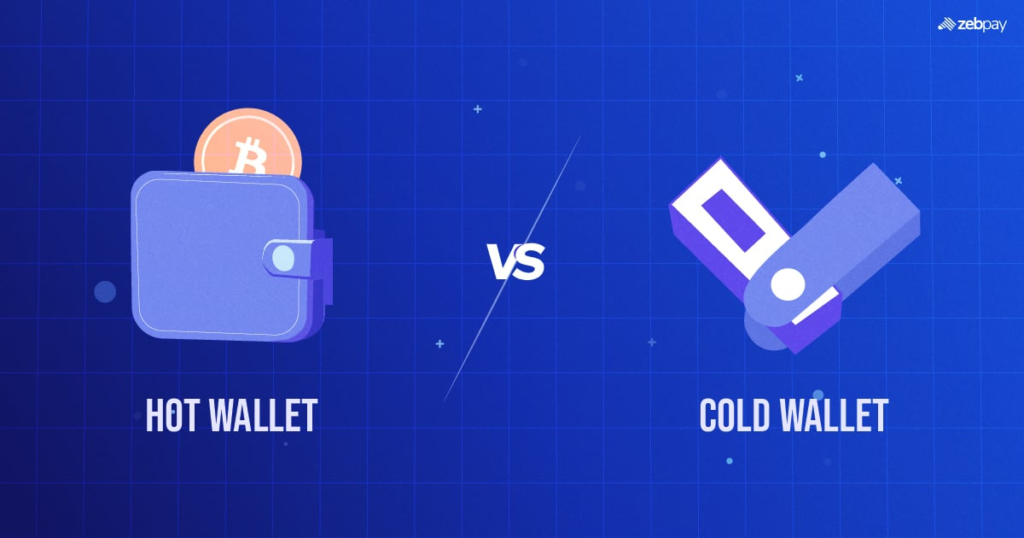
Hot Wallet vs Cold Wallet
This is one of the most important concepts for beginners.
What Is a Hot Wallet?
A hot wallet is a digital wallet that stays connected to the internet, making it quick and easy to use for everyday crypto transactions. Because it is always online, you can send, receive, and manage your digital assets instantly without waiting for manual connections or extra devices.
This convenience makes hot wallets popular among active traders and people who frequently use cryptocurrency for payments.
However, being online also means higher exposure to cyber risks. Hot wallets rely heavily on strong passwords, two-factor authentication, and secure platforms to protect funds from hacking attempts.
When used wisely, they offer a practical balance between speed and functionality, especially for holding small to medium amounts of cryptocurrency that you need access to on a regular basis.
Pros:
- Easy to use
- Fast transactions
- Best for daily use
Cons:
- Higher risk of hacking
- Needs strong security
Hot wallets are perfect for beginners who want convenience.
What Is a Cold Wallet?
A cold wallet is a secure way to store cryptocurrency completely offline, keeping it out of reach from hackers and online threats.
Because it isn’t connected to the internet, it offers one of the safest methods for protecting digital assets, especially for long-term holding.
Cold wallets are ideal for anyone who values maximum security over quick access, making them a trusted choice for serious crypto users who want peace of mind.
Pros:
- Very secure
- Best for long-term storage
Cons:
- Costs money
- Less convenient for daily use
Cold wallets are best for people storing large amounts of crypto.
Hot Wallet vs Cold Wallet: Which Is Better?
When it comes to choosing between a hot wallet vs cold wallet, the better option depends on how you use your crypto. Hot wallets are perfect for quick transactions and everyday trading because they stay connected to the internet and offer instant access.
Cold wallets, on the other hand, focus on top-level security by keeping your assets offline and safe from cyber threats. In simple terms, hot wallets win on convenience, while cold wallets lead in safety—the best choice is the one that matches your crypto habits and risk comfort.
| Feature | Hot Wallet | Cold Wallet |
|---|---|---|
| Internet connection | Yes | No |
| Security | Medium | Very High |
| Ease of use | Very Easy | Medium |
| Best for | Beginners & daily use | Long-term storage |
Best option for beginners: Start with a hot wallet, then move funds to a cold wallet later.
How to Create a Crypto Wallet (Step-by-Step)
Let’s now learn how to create a crypto wallet safely.
Step 1: Choose the Right Wallet
Pick a wallet that supports:
- Your desired coins
- Strong security
- Easy interface
Best Crypto Wallet for Beginners
Here are trusted options:
- Trust Wallet – Mobile, simple, very popular
- MetaMask – Best for Ethereum and DeFi
- Coinbase Wallet – Beginner-friendly
- Exodus Wallet – Clean design
These wallets are free and easy to use.
Step 2: Download from Official Source
Always download:
- From the official website
- From Google Play Store or Apple App Store
Never use unknown links.
Step 3: Create a New Wallet
After installing:
- Open the app
- Select Create New Wallet
- Set a strong password
Step 4: Save Your Recovery Phrase (Very Important)
You will receive a 12 or 24-word recovery phrase.
Write it on paper
Store it offline
Never share it
Do not take screenshots
Do not save in email or cloud
This phrase is the only way to recover your wallet.
How to Store Cryptocurrency Safely
Security is the most important part of crypto.
Best Practices to Store Crypto Safely
- Use a strong password
- Enable two-factor authentication (2FA)
- Keep your recovery phrase offline
- Avoid public Wi-Fi
- Update your wallet app regularly
Use Cold Storage for Large Amounts
If you hold large crypto funds:
- Use a hardware wallet
- Keep it offline
- Store it in a safe place
This is the safest way to store cryptocurrency.
Avoid Common Crypto Wallet Mistakes
- Sharing private keys
- Clicking fake links
- Using fake apps
- Keeping all funds in one wallet
Always stay alert.
How to Receive Crypto Using a Wallet
Receiving crypto with a wallet is quick, simple, and beginner-friendly. All you need to do is open your wallet, copy your unique wallet address, and share it with the sender or paste it where you’re expecting payment.
Once the transaction is sent, the crypto appears in your wallet after network confirmation—no middleman, no hassle, just direct and secure ownership of your funds.
Step-by-Step: How to Receive Crypto
- Open your wallet
- Select the coin you want to receive
- Tap Receive
- Copy your wallet address
- Share the address with the sender
Some wallets also provide a QR code.
Always check the coin network
Only use correct addresses

How to Send and Receive Crypto Safely
How to Send Crypto (Step-by-Step)
- Open your wallet
- Choose the coin
- Tap Send
- Paste the receiver’s address
- Enter amount
- Confirm transaction
Important Safety Tips When Sending Crypto
- Double-check wallet address
- Send a small test amount first
- Check network fees
- Never rush transactions
Crypto transactions cannot be reversed.
Transaction Fees Explained
When sending crypto, you pay a network fee.
- Bitcoin uses miner fees
- Ethereum uses gas fees
- Fees change based on network traffic
Choose the right time to send to save money.
Best Crypto Wallet for Beginners (2025)
For beginners in 2025, the best crypto wallet is one that blends easy setup, clear design, and strong security without overwhelming you.
Look for wallets with friendly interfaces (like MetaMask, Exodus, or Coinbase Wallet) that walk you through every step, let you explore tokens confidently, and offer built-in learning tips.
These wallets make your first steps into crypto smooth, safe, and stress-free, so you can focus on exploring the space instead of worrying about tech or security.
| Wallet | Type | Best For |
|---|---|---|
| Trust Wallet | Hot | Mobile beginners |
| MetaMask | Hot | DeFi & NFTs |
| Exodus | Hot | Easy interface |
| Ledger Nano | Cold | Maximum security |
| Trezor | Cold | Long-term holders |
Recommendation: Start with Trust Wallet or Coinbase Wallet.
Can You Use One Wallet for Multiple Coins?
Yes. Most modern wallets support:
- Bitcoin
- Ethereum
- USDT, USDC
- Thousands of altcoins
This makes them perfect for beginners.
Are Crypto Wallets Safe?
Yes, if used correctly.
Crypto wallets are safe when:
- You control private keys
- You protect recovery phrases
- You avoid scams
The biggest risk is human error, not technology.
Crypto Wallet vs Crypto Exchange
A crypto wallet and a crypto exchange serve different but equally important roles in the crypto world. A wallet gives you full control over your digital assets, allowing you to store, send, and receive crypto securely on your own terms.
A crypto exchange, on the other hand, is built for buying, selling, and trading, acting like a marketplace where transactions happen fast. In short, exchanges are for trading convenience, while wallets are for true ownership and long-term security.
| Ownership | You control | Exchange controls |
| Security | High (self-custody) | Medium |
| Risk | Lower | Higher |
| Best use | Storage | Trading |
Rule: Trade on exchanges, store in wallets.
Final Tips for Crypto Wallet Beginners
- Start small
- Learn before investing big
- Use trusted wallets only
- Never share recovery phrases
- Keep learning about security
Crypto is powerful, but only if used wisely.
Conclusion
Learning how to use a crypto wallet is the first and most important step in your crypto journey. A wallet allows you to store cryptocurrency safely, send and receive crypto, and maintain full control over your funds.
Understanding hot wallet vs cold wallet, choosing the best crypto wallet for beginners, and following basic security rules will protect your assets from loss and theft.
Frequently Asked Questions
A crypto wallet is a digital tool that allows you to store, send, receive, and manage cryptocurrency. It keeps your private keys safe and gives you full control over your crypto assets.
To create a crypto wallet, download a trusted wallet app like Trust Wallet, MetaMask, or Coinbase Wallet from the official website or app store. Follow the setup steps and securely save your recovery phrase.
The best crypto wallets for beginners include Trust Wallet, Coin base Wallet, and Exodus. These wallets are easy to use, secure, and support multiple cryptocurrencies.
A hot wallet is connected to the internet and is best for daily transactions. A cold wallet is offline and provides higher security, making it ideal for long-term storage.
You can store cryptocurrency safely by using a trusted wallet, enabling two-factor authentication, keeping your recovery phrase offline, and using a hardware wallet for large amounts.
To receive cryptocurrency, open your wallet, select the coin, click “Receive,” and share your wallet address or QR code with the sender.
To send cryptocurrency, open your wallet, choose the coin, paste the recipient’s address, enter the amount, and confirm the transaction carefully.
Yes, most modern crypto wallets support multiple cryptocurrencies, including Bitcoin, Ethereum, and many altcoins.
No, crypto transactions cannot be reversed. Always double-check the wallet address and amount before sending funds.
It is safer to keep crypto in a personal wallet rather than on an exchange because you control your private keys and reduce the risk of exchange hacks.
If you lose access to your wallet but still have your recovery phrase, you can restore your wallet on another device. Without the recovery phrase, funds cannot be recovered.
