

Cryptocurrencies have exploded across the globe, and with that growth comes questions about tax responsibilities. If you’re thinking about trading, investing, or running a crypto business in Malta, this guide will help you navigate the tax landscape in 2026 with clarity and confidence.
Malta has earned the nickname “Blockchain Island”, and for good reason—it has one of the most advanced digital asset frameworks in Europe. But how does that translate to crypto taxes? Let’s dive in.

1. Introduction: Why Malta for Crypto?
Malta has been a leader in digital asset regulation since the introduction of the Virtual Financial Assets Act (VFAA) and its ongoing integration with EU-wide regulations like MiCA (Market in Crypto Assets Regulation). In short, Malta provides legal clarity for crypto services providers and distinguishes itself as a pro‑innovation jurisdiction in Europe.
That reputation has drawn traders, investors, and companies alike—and with interest comes the need to understand local taxes.
2. Understanding Malta’s Tax System (Big Picture)
Before we look at crypto specifics, here’s how taxes generally work in Malta:
- Income Tax: Progressive, with higher earners paying up to 35%.
- Corporate Tax: Standard rate is 35%, but with refunds this can drop as low as around 5% in many cases.
- VAT (Value Added Tax): Standard rate is 18%.
- Stamp Duty: Usually 2–5% on relevant transactions.
Malta’s tax system is remittance‑based, meaning that the source and movement of funds matter, not just the activity itself.
3. Crypto Tax Rules for Individuals
Here’s how crypto is viewed from a personal tax perspective in 2026:
A. Capital Gains – Holders & Investors
- If you simply buy and hold crypto as a long‑term investment, you typically do not pay capital gains tax on the eventual profit when you sell.
- This 0% regime applies when crypto is viewed as a store of value, not part of a trading business.
This is one of Malta’s biggest draws for crypto HODLers.
B. Trading & Frequent Activity
If you actively trade cryptocurrencies intending to profit regularly, this income is treated as taxable income, and the rates follow Malta’s progressive income tax brackets (up to 35%).
Here’s how those income tax rates look:
| Chargeable Income (€) | Tax Rate |
|---|---|
| Up to 12,000 | 0% |
| 12,001 – 16,000 | 15% |
| 16,001 – 60,000 | 25% |
| Over 60,000 | 35% |
Accounts for both single and typical individual tax profiles.
C. Staking, Mining & Other Crypto Income
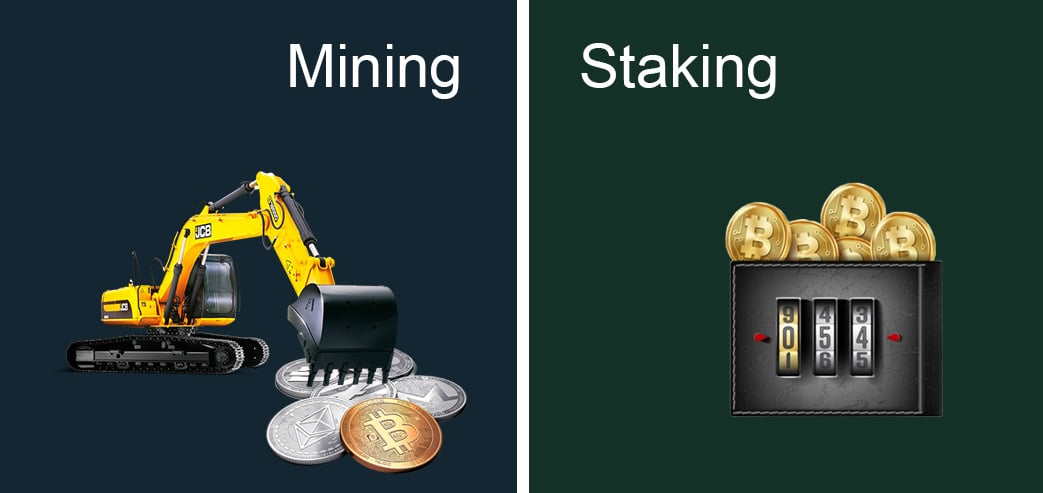
Profits from staking rewards, mining, yield farming, airdrops, and other income‑generating crypto activities are typically considered part of your taxable income and taxed at ordinary income rates.

4. Crypto Taxes for Businesses & Companies
If you’re operating a business involving crypto (e.g., exchange, trading service, or blockchain platform):
Corporate Tax
- Standard corporate tax is 35%.
- However, Malta’s full imputation system often allows refunds that reduce effective tax rates to between 0–5% for qualifying companies.
Smart tax planning and structuring can offer serious savings.
Other Tax Considerations
- VAT: Crypto transactions generally follow property or service rules depending on the nature.
- Stamp Duty: May apply if assets are legally considered securities or similar.
5. Reporting & Compliance: What You Need to Do
Compliance is not optional. Here’s what investors and businesses should do:
A. Record‑Keeping
Maintain detailed records of:
- All crypto transactions (buy/sell/exchange).
- Dates, prices, and parties involved.
- Wallet addresses and acquisition costs.
B. Reporting Deadlines
- The general tax return deadline in Malta is June 30, 2026 for the previous financial year.
- Reports are usually submitted online through the Malta tax portal.
C. DAC8 Reporting
Malta is preparing to implement DAC8—an EU directive requiring crypto‑asset tax reporting. This will increase reporting obligations through exchanges and service providers.
6. Worked Examples & Tax Table
Let’s translate theory into practice to make understanding simpler.
Scenario Matrix
| Scenario | Tax Treatment | Typical Tax Implication |
|---|---|---|
| Long‑term HODL investment | Capital gains tax 0% | No tax on sale profit |
| Daily crypto trader | Income tax | 15–35% depending on income |
| Staking rewards | Income tax | 15–35% |
| Crypto company revenue | Corporate tax | 35% (effective 0–5% with refunds) |
| Airdrops & yields | Income tax | 15–35% |
7. Key Tips for Crypto Investors in Malta
Be resident wisely – Spending 183+ days can make you a Malta tax resident, improving eligibility for certain tax treatments.
Separate trading from investing – Tax treatment differs greatly.
Use professional advice – Because tricky points like DeFi and cross‑border incomes often require expert interpretation.
Frequently Asked Questions (FAQs)
No, if you hold crypto long‑term as a passive investment, gains are often tax‑free. But active trading is taxed as income.
Staking rewards are typically treated as income and taxed at regular income tax rates.
Selling, swapping, or exchanging crypto for fiat or other assets with profit intent can be taxable. Holding by itself is not.
Standard corporate tax is 35%, but effective tax can be much lower with refunds.
Generally, non‑residents only pay tax on Malta‑sourced income unless they establish proper tax residency.
VAT depends on the nature of the transaction and applicable EU rules; it’s not automatic for all crypto trades.
Final Thoughts
Malta remains one of the most compelling jurisdictions for crypto enthusiasts in 2026—especially if you’re a long‑term investor or a well‑structured business. The tax system rewards patience with potential 0% gains and offers clarity backed by EU regulations.
That said, compliance is key. Keep accurate records, understand your tax status, and consult professionals when in doubt.
With the right strategy, Malta can help you grow your crypto portfolio and keep more of what you earn.