


Let’s be real for a second-mining Bitcoins solo in 2026 sounds like a wild dream, almost like trying to find a gold nugget in your backyard. But guess what? It’s still possible, and if you do it smartly, it can actually be a fun and profitable experiment.
The key is knowing the right setup, avoiding beginner mistakes, and calculating profits before you spend thousands on equipment. In this guide, I’ll walk you through the ultimate solo Bitcoin mining setup, a simple profit calculator, and expert-level tips that most blogs forget to mention.
Solo mining isn’t for everyone, but for people who love control, privacy, and the thrill of “hitting the jackpot block,” it’s honestly exciting. Unlike pool mining where rewards are shared, solo mining means if you mine a block—you keep the entire reward.
That’s why people still chase it. But yes, it needs the right gear, cheap electricity, and a strong plan. So let’s break everything down step-by-step in easy, human English.
What Is Solo Bitcoin Mining (In Simple Words)
Solo Bitcoin mining means you mine Bitcoin alone, without joining a mining pool. You connect your ASIC miner to the Bitcoin network and try to solve the block puzzle by yourself. If your machine finds the correct block hash, you win the block reward directly.
The big benefit is obvious: you don’t share rewards with anyone. You keep everything. But the risk is also massive, because the Bitcoin network is extremely competitive in 2026. Large farms with thousands of miners are constantly hashing, so your chances depend on your hashrate.
Think of solo mining like buying one lottery ticket every day. You may win big someday, but you need patience. The difference is, mining is not pure luck—better hardware increases your chances.
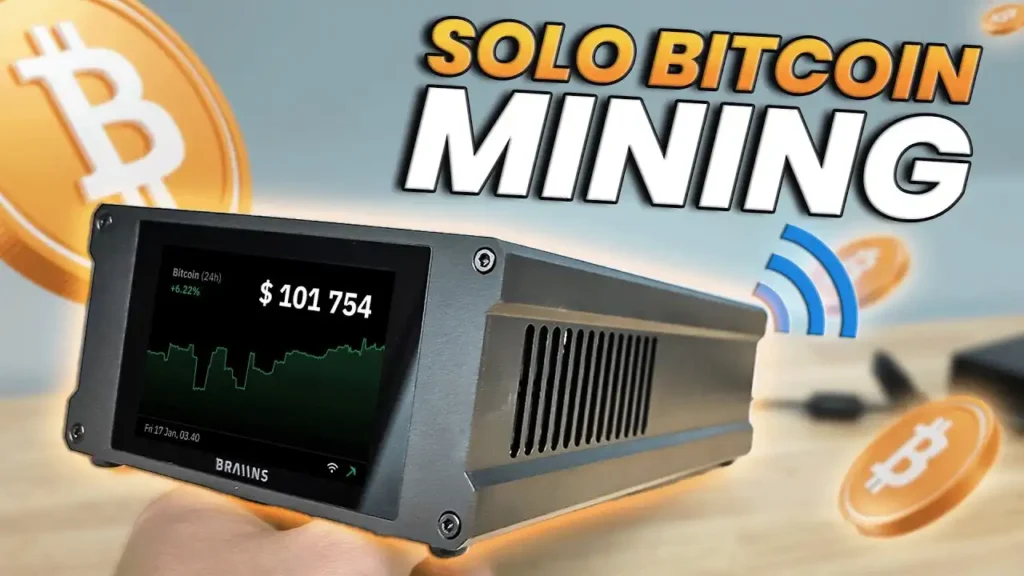
Is Solo Bitcoin Mining Still Worth It in 2026?
Yes, but only under certain conditions. In 2026, Bitcoin mining is more difficult than ever, and after the 2024 halving, rewards are smaller. That means electricity costs and efficiency matter more than before.
Solo mining makes the most sense if you have one or more of these advantages:
- Very cheap electricity
- Access to modern ASIC miners
- A cold climate or good cooling system
- Long-term mindset (months or years)
- You want full privacy and control
If your electricity is expensive, solo mining can feel like burning money. But if you optimize your setup, it can still be a strong long-term bet.
Bitcoin Mining in 2026: Key Facts You Must Know
Before setting up your solo mining rig, you should understand the Bitcoin mining environment in 2026. Mining today is not the same as mining in 2016 or even 2021. Things have evolved fast.
Here are the major factors that affect mining profitability:
- Network difficulty increases constantly
- ASIC miners are more advanced but expensive
- Electricity prices are rising globally
- Bitcoin price is volatile but usually trending upward
- Block rewards are smaller after halving
- Mining regulations vary by country
If you ignore these points, you may end up with a setup that looks powerful but loses money every month.
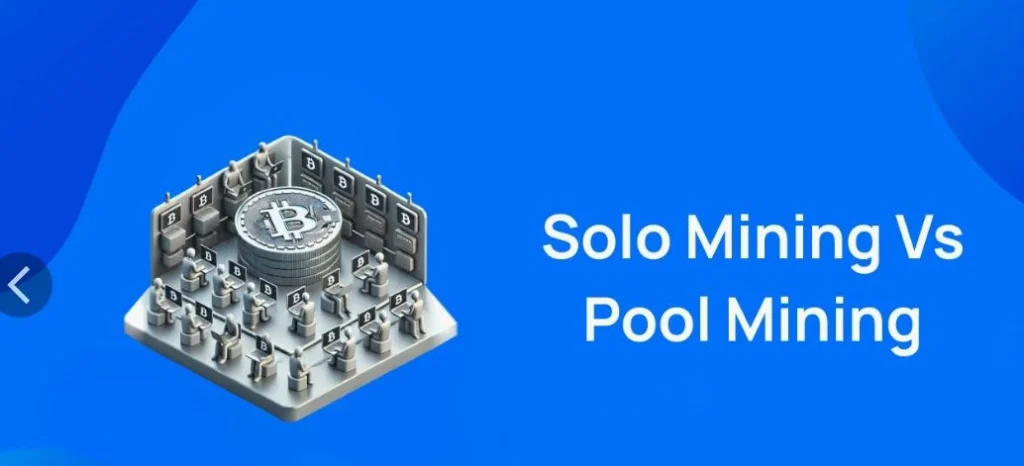
Solo Mining vs Pool Mining (Quick Comparison Table)
Here’s the simplest way to compare Solo mining vs Pool Mining:
| Feature | Solo Mining | Pool Mining |
|---|---|---|
| Rewards | Huge but rare | Small but regular |
| Risk Level | High | Low |
| Consistency | Unpredictable | Predictable |
| Setup Difficulty | Medium-High | Easy |
| Fees | None (or low) | Pool fees (1%–3%) |
| Best For | Long-term miners | Beginners |
Solo mining is for people who can handle waiting. Pool mining is for people who want steady payouts.
What You Need for Solo Bitcoin Mining Setup in 2026
Let’s talk about the real setup. Not fantasy setups. Not YouTube “mine Bitcoin with your laptop” nonsense. Real solo Bitcoin mining in 2026 needs serious hardware.
Essential Requirements Checklist
Here’s what you absolutely need:
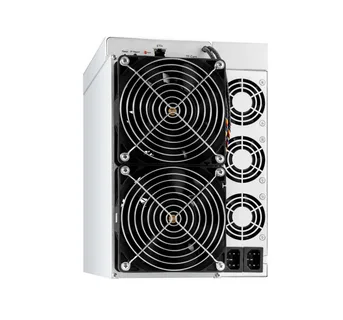
- ASIC Bitcoin miner (not GPU)
- Stable power supply
- Cooling system (fans or immersion)
- Internet connection (stable + low latency)
- Bitcoin full node or solo mining software
- Wallet for receiving block rewards
- Noise and heat management plan
Now let’s go deeper into each part.
Step 1: Choose the Best ASIC Miner for Solo Mining (2026 Picks)
In 2026, ASIC miners are the only realistic option. GPU mining Bitcoin is basically dead. ASICs are built specifically for SHA-256 mining.
Recommended ASIC Specs (Ideal Range)
Look for:
- Hashrate: 150 TH/s to 300 TH/s
- Efficiency: below 20 J/TH
- Power consumption: 3000W–6000W
- Strong resale value
Popular ASIC Miner Choices in 2026
Here are some common solo-mining friendly models:
- Bitmain Antminer S21 / S21 Pro
- Whatsminer M60 series
- Avalon A15 series
- Hydro-cooled ASIC models for silent mining
If you want better odds in solo mining, buying one strong ASIC is better than buying three weak ones.
Step 2: Build the Perfect Power Setup (Don’t Skip This)
Power is where most miners mess up. They buy a miner first, then realize their home wiring can’t handle it. That’s a painful mistake.
Power Requirements for Solo Mining
Most ASIC miners in 2026 require:
- 220V outlet
- Dedicated circuit breaker
- Industrial-grade PSU
- Surge protection
Basic Electrical Setup Checklist
You should install:
- 30A or 40A breaker
- Proper grounding
- Voltage stabilizer (optional but helpful)
- Smart meter plug for tracking usage
Electricity is your biggest expense, so your power setup should be clean and safe.
Step 3: Cooling System Setup (Heat Is Your Enemy)
ASIC miners generate insane heat. A single machine can heat up a room like a mini furnace. Cooling isn’t optional. It’s survival.
Cooling Options for Home Solo Miners
1. Air Cooling (Cheapest)
- Uses fans + exhaust system
- Needs good airflow
- Works best in cool climates
2. Ducted Ventilation (Most Common)
- Pushes hot air outside
- Keeps indoor temperature stable
- Requires strong exhaust fan
3. Immersion Cooling (Advanced)
- Miner is dipped in cooling liquid
- Quiet and extremely efficient
- Expensive to set up but worth it
Cooling Tip That Saves Money
Put your miner in a garage, basement, or storage room. And if it’s winter, you can reuse heat to warm your home. That’s basically free heating.
Step 4: Internet Setup for Solo Bitcoin Mining
People think mining needs “fast internet.” Actually, it needs stable internet. If your connection drops often, your miner wastes time and loses chances.
Ideal Internet Requirements
- 10 Mbps download is enough
- Low ping is better
- Ethernet cable is recommended
- Backup hotspot is a plus
Wi-Fi can work, but Ethernet is safer. Solo mining is all about reliability.
Step 5: Set Up a Bitcoin Full Node (For Real Solo Mining)
If you truly want to solo mine properly, running your own Bitcoin full node is the best approach. It helps you verify transactions independently and mine without trusting anyone.
Hardware for a Bitcoin Full Node
You’ll need:
- PC or Raspberry Pi
- 1TB or 2TB SSD
- 8GB RAM minimum
- Stable internet
Software Options
Some popular node setups in 2026 include:
- Bitcoin Core
- Umbrel Node
- MyNode
- Start9 Embassy
Running your own node gives you full control and makes solo mining feel like real decentralization.
Step 6: Solo Mining Software Options (Easy Choices)
To connect your ASIC miner to your node, you need mining software.
Common Solo Mining Tools
- CKPool Solo (most popular solo solution)
- Braiins OS (better efficiency tuning)
- Bitcoin Core + Stratum Server
Most solo miners prefer CKPool because it is simple, light, and works well even with one ASIC.
Step 7: Create a Secure Bitcoin Wallet
When you mine a block, the reward goes to your wallet. So your wallet must be secure, because this isn’t pocket change.
Best Wallet Options for Miners
- Hardware wallet (Ledger, Trezor)
- Cold wallet paper backup
- Multi-signature wallet (advanced)
Never store mining rewards on exchanges. That’s like leaving gold bars outside your house.
Bitcoin Solo Mining Profit Calculator (2026)
Now comes the most important part: profits. Because mining without profit calculation is like starting a business without knowing costs.
Here’s a simple profit calculator you can use.
Solo Mining Profit Calculator Table
Example Setup Assumptions
- ASIC Hashrate: 200 TH/s
- Power Usage: 3500W
- Electricity Cost: $0.08 per kWh
- Bitcoin Price: $90,000 (example)
- Block Reward: 3.125 BTC
| Factor | Value |
|---|---|
| Miner Hashrate | 200 TH/s |
| Daily Power Use | 84 kWh |
| Electricity Cost/Day | $6.72 |
| Electricity Cost/Month | $201.60 |
| Expected Block Chance | Depends on difficulty |
| Reward If Block Found | 3.125 BTC (~$281,250) |
Here’s the truth: solo mining is not about daily income. It’s about hitting a huge reward randomly.
How to Estimate Solo Mining Chances (Simple Explanation)
Your probability depends on your share of total network hashrate.
Formula (Simplified)
Your Hashrate / Total Network Hashrate = Your Chance
Example:
- Network hashrate: 700 EH/s
- Your miner: 200 TH/s
- That’s extremely small compared to the total network.
So your odds are low, but not zero. Some solo miners hit blocks with one machine. It’s rare, but it happens.
Monthly Profit Formula (Basic)
Here’s the easiest way to calculate your costs:
Electricity Cost Formula
(Power in kW × Hours per day × Electricity rate) = Daily cost
Example:
- 3.5 kW × 24 × $0.08 = $6.72/day
Now multiply monthly:
- $6.72 × 30 = $201.60/month
Your main risk is paying electricity for months without finding a block.
Realistic Solo Mining Strategy for 2026
If you want to solo mine smartly, don’t treat it like a “get rich quick” scheme. Treat it like a long-term investment and learning journey.
Best Strategy (What Smart Miners Do)
- Start with 1 strong ASIC
- Optimize electricity usage
- Run your own node
- Use heat recycling
- Stay consistent for 6–24 months
Solo mining is not about speed. It’s about patience and efficiency.
Expert Tips to Maximize Solo Bitcoin Mining Profit
Now let’s talk about the tips that actually matter. These are the things experienced miners quietly do while beginners struggle.
1. Buy ASIC Miners During Bear Markets
ASIC prices drop when Bitcoin price falls. That’s when you should buy equipment. Buying miners during hype seasons is expensive and painful.
Smart miners buy hardware when nobody is talking about mining. That’s when deals are everywhere.
2. Use Dynamic Power Tuning
In 2026, many miners allow power tuning. You can reduce power use and still keep good performance.
This helps you survive when electricity prices rise. Efficiency matters more than raw speed now.
3. Always Monitor Temperature and Hashrate
A miner running too hot loses efficiency and dies early. Always monitor:
- ASIC temperature
- Fan speed
- Hashrate stability
- Power usage
Use apps like HiveOS dashboards or manufacturer monitoring tools.
4. Noise Control Is a Big Deal
ASIC miners are loud. Like, “vacuum cleaner + jet engine” loud.
To manage noise:
- Use soundproof box
- Put miner in garage
- Use duct fans
- Consider immersion cooling
If you ignore noise, your family or neighbors will hate you fast.
5. Use Solar or Off-Grid Power If Possible
Solar mining is growing in 2026. It’s not free, but it reduces long-term electricity bills.
Even a partial solar setup can cut costs. Many miners mix solar + grid power for stability.
6. Join Solo Mining Communities
Solo mining can feel lonely. Communities help you learn faster.
Places where miners share updates:
- Reddit mining groups
- Telegram miner chats
- Bitcoin forums
- Discord mining servers
You’ll find troubleshooting tips and also motivation to keep going.
Common Mistakes Beginners Make in Solo Bitcoin Mining
Let’s save you from expensive regrets. These mistakes happen all the time.
Biggest Mistakes to Avoid
- Buying cheap used ASICs with hidden damage
- Running miner on weak home wiring
- Ignoring ventilation and heat buildup
- Using unstable Wi-Fi connection
- Forgetting electricity cost calculation
- Mining in high electricity countries
- Not having backup parts like fans
Mining is not hard, but it punishes careless people.
How Much Can You Earn Solo Mining Bitcoin in 2026?
This is the big question everyone asks.
The honest answer: earnings are unpredictable. You can mine nothing for 8 months, then suddenly hit a block and earn a life-changing reward.
Realistic Possibilities
- Worst case: You pay electricity and never mine a block
- Average case: You mine a block after 1–3 years (depending on hashrate)
- Best case: You mine a block within weeks or months
It’s like fishing in a giant ocean. You need the right equipment and patience.
Solo Bitcoin Mining Setup Cost Breakdown (2026)
Let’s estimate the average cost for a serious solo setup.
| Item | Estimated Cost |
|---|---|
| ASIC Miner (200 TH/s) | $3,000 – $6,500 |
| Power Setup + Wiring | $300 – $1,200 |
| Cooling + Ventilation | $200 – $2,000 |
| Full Node Setup | $200 – $500 |
| Noise Proofing | $100 – $600 |
| Misc Tools + Monitoring | $50 – $300 |
Total Estimated Setup Cost
$3,850 to $11,100
That’s why planning matters. Solo mining is not a $200 hobby anymore.
Is Solo Bitcoin Mining Legal in 2026?
In most countries, yes. But regulations vary heavily.
Some regions require:
- business registration
- mining tax reporting
- energy usage reporting
Some places restrict mining due to power grid pressure.
So always check local rules before building a mining operation at home.
Best Places for Solo Bitcoin Mining in 2026 (Cost Friendly)
Here are regions where miners often succeed because of cheaper electricity:
- parts of Canada
- Kazakhstan (some areas)
- Texas (USA)
- Paraguay
- Iceland
- some regions in Russia
- hydro-electric zones worldwide
The cheaper your electricity, the higher your survival chances.
FAQs About Mining Bitcoins Solo in 2026
Yes, you can. But your chances of finding a block are low. It’s still possible, and people do hit blocks with one machine, but patience is required.
It depends on your hashrate and the network difficulty. It can take months, years, or you may never mine a full block reward at all.
Solo mining is better if you want full reward and control, but it’s risky. Pool mining is safer because it gives consistent payouts.
A strong ASIC miner can consume 3000W to 6000W, meaning around 70–150 kWh per day depending on the model.
Miners like Antminer S21 series and Whatsminer M60 series are popular due to high efficiency and strong hashrate performance.
Yes, but only if you have strong ventilation or cooling. Without cooling, your room will heat up quickly and your miner may shut down.
Final Thoughts
Solo Bitcoin mining in 2026 is not for people who want fast money. It’s for people who enjoy the long game, love technology, and want full control over their mining journey.
If you have the right ASIC miner, cheap electricity, strong cooling, and a properly calculated profit plan, solo mining can still be a thrilling and rewarding experience.
The best part is the excitement—because the day your miner finds a block, it’s not a small payout. It’s a massive win. So if you’re ready to mine smart, stay patient, and build a real setup, solo mining could be your next serious adventure in the Bitcoin world.
