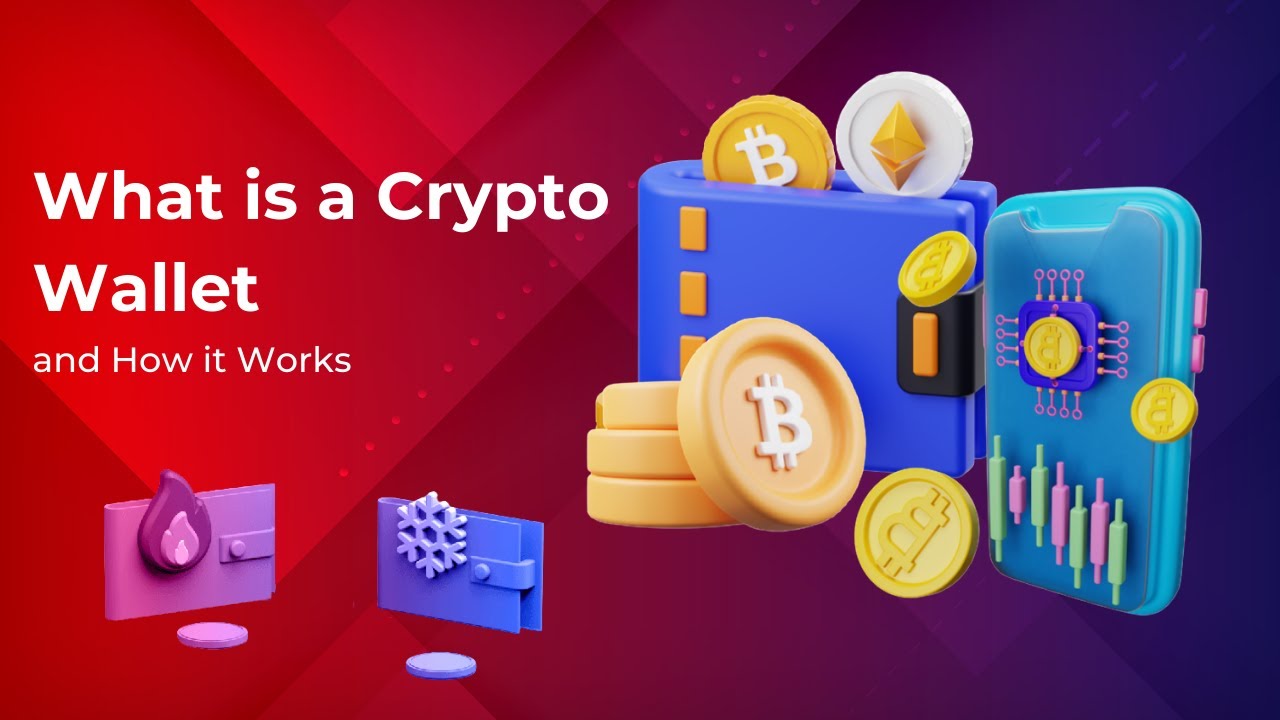


If you’re stepping into the world of cryptocurrencies as an investor in 2026 – especially from Germany – you’ve likely wondered: What exactly are crypto wallets, how do they work, and which ones should I trust? In this ultimate guide, we’ll break down everything you need to know about crypto wallets in Germany, explore the best types for different goals, share practical tips, explain security essentials, and help you choose the right wallet based on your investment style.
By the end of this guide, you’ll be confidently managing and safeguarding your digital assets – not just storing them.
What Are Crypto Wallets? A Simple Explanation for German Investors
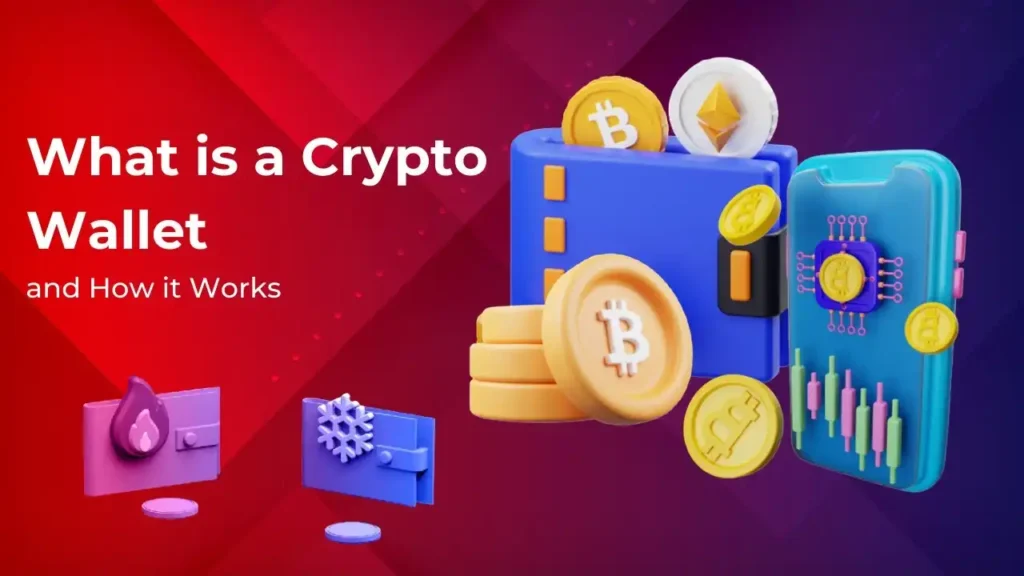
Imagine you received a bank account – but instead of storing Euros, it stores your Bitcoin, Ethereum, and other cryptocurrencies. A crypto wallet is similar, except it doesn’t actually hold your coins physically. Instead, it stores your private keys, which are like secret passwords that give you access to your crypto on the blockchain.
Here’s the critical part:
Your crypto isn’t in your wallet – the blockchain always holds it.
Your wallet holds the key to access it.
If you lose your private key, you lose access to your crypto. That’s why understanding wallets is the foundation of safe investing in Germany.
Why Crypto Wallets Matter for Investors in Germany (Especially in 2026)
Germany has emerged as a significant hub for crypto adoption — with clear tax rules, progressive financial regulation, and a growing community of blockchain developers and investors. However, this also means:
- Regulatory scrutiny is higher
- Security standards are stricter
- Investors must be informed to avoid risks
Crypto wallets matter because they are your first line of defense against hacks, scams, and theft. A compromised wallet = lost funds.
Whether you’re holding Bitcoin as a long‑term investment, trading Ethereum, or storing altcoins, choosing the right wallet will directly affect your financial safety.
Types of Crypto Wallets: Hot Wallets vs Cold Wallets
Hot Wallets (Online)
Hot wallets are online wallets connected to the internet, which makes them very convenient and easy to use for quick transactions. However, this constant connectivity also makes them slightly more vulnerable to cyberattacks and hacking attempts. Despite the risk, many users prefer hot wallets for their accessibility and speed.
Examples:
- Desktop wallets
- Mobile wallets
- Web wallets
Pros
- Fast access
- Great for frequent trading
- User‑friendly
Cons
- More attack surface
- Rely on third‑party services
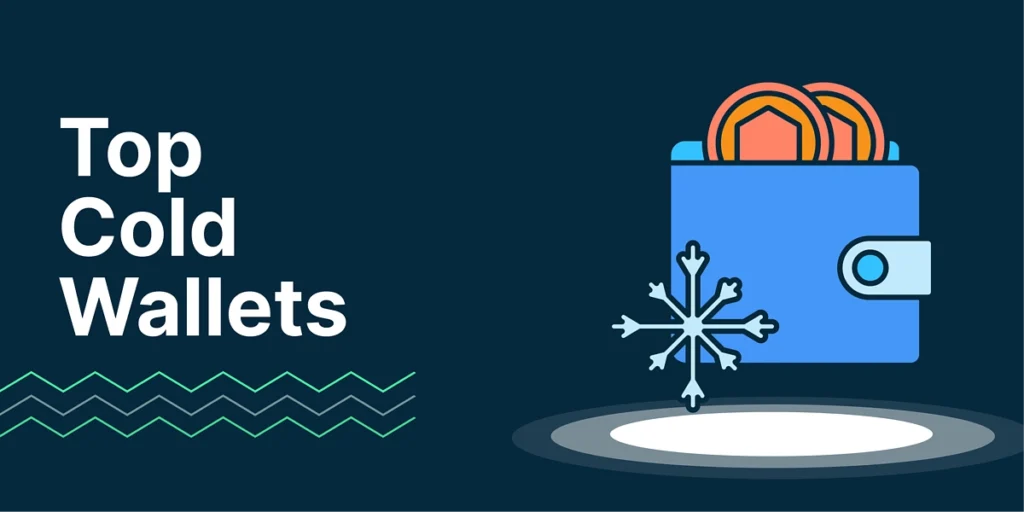
Cold Wallets (Offline)
Cold wallets are offline wallets, completely isolated from the internet, which makes them highly secure. They are the preferred choice for long-term investors who prioritize safety over convenience. By keeping assets offline, cold wallets effectively protect against hacking and online threats while storing crypto for extended periods.
Examples:
- Hardware wallets (USB‑style devices)
- Paper wallets (printed keys)
Pros
- Highest security
- Perfect for long‑term storage
- Safe from online hacks
Cons
- Slightly less convenient for frequent use
- Initial cost (for hardware)
Quick tip: Many German investors use a combination:
Hot wallets for trading + Cold wallets for long‑term holding.
Hot Wallets in Germany: Best Options for 2026
Hot wallets in Germany are widely used for their convenience and quick access to crypto assets. For 2026, several options have emerged as the most trusted by the crypto community. These wallets combine ease of use with reliable features, making them popular choices for everyday transactions. Here’s a look at the top hot wallets available.
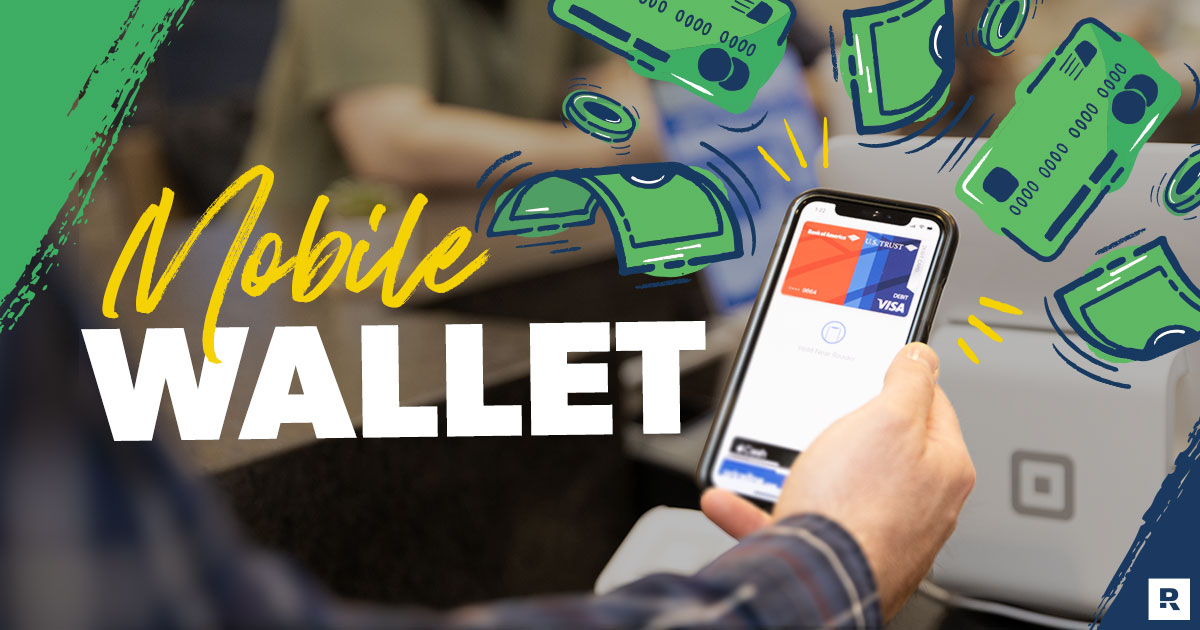
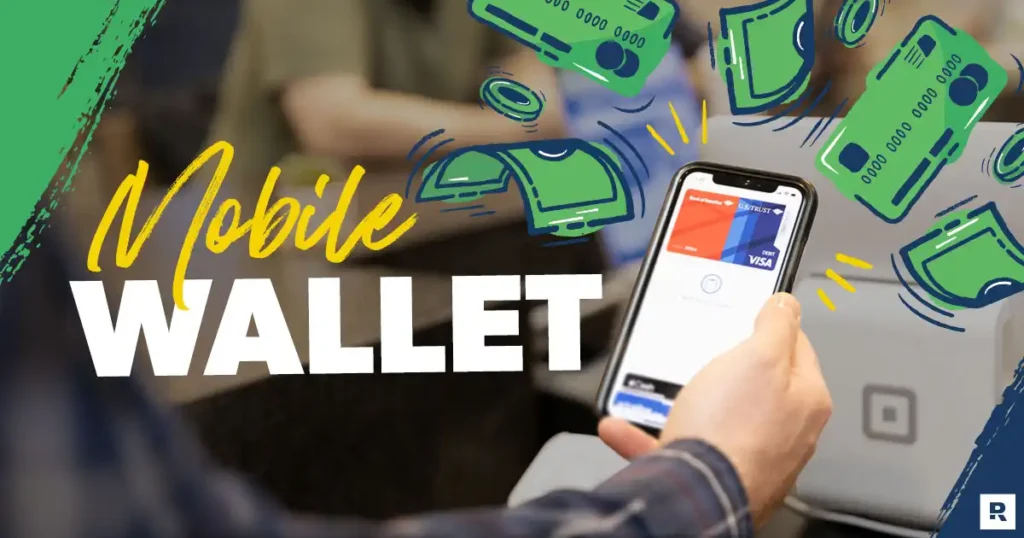
Mobile Wallets
Mobile wallets are smartphone apps that allow you to access and manage your crypto anytime, anywhere. They are very easy to use, making them ideal for beginners who want quick and simple asset management. With fast transactions and user-friendly interfaces, mobile wallets are perfect for daily crypto use.
- Very easy to use
- Great for beginners
- Fast asset management
Popular picks: Trust Wallet, MetaMask Mobile, Exodus Wallet
Desktop Wallets
Desktop wallets are installed directly on your computer, offering more control and security than mobile wallets. They are ideal for intermediate users who want a balance between convenience and advanced features. With private keys stored locally, desktop wallets provide better protection while managing crypto assets efficiently.
- Strong control over keys
- Works with multiple cryptocurrencies
Popular picks: Electrum (Bitcoin), Exodus, Atomic Wallet
Web Wallets
Web wallets are browser-based wallets or exchange wallets that can be accessed directly through the internet. They offer quick and easy access to crypto assets without the need for installation. While highly convenient, users should choose trusted platforms to ensure better security and protection.
- Accessible anywhere
- Some are custodial (the service controls your keys)
Examples: Binance Wallet, Coinbase Wallet
Security reminder: If you use a web or exchange wallet, make sure you enable 2FA (two‑factor authentication) and never share your login details.
Cold Wallets in Germany: Best Offline Options for Investors
Hardware Wallets
These are physical devices that store your private keys offline.
Industry favorites include:
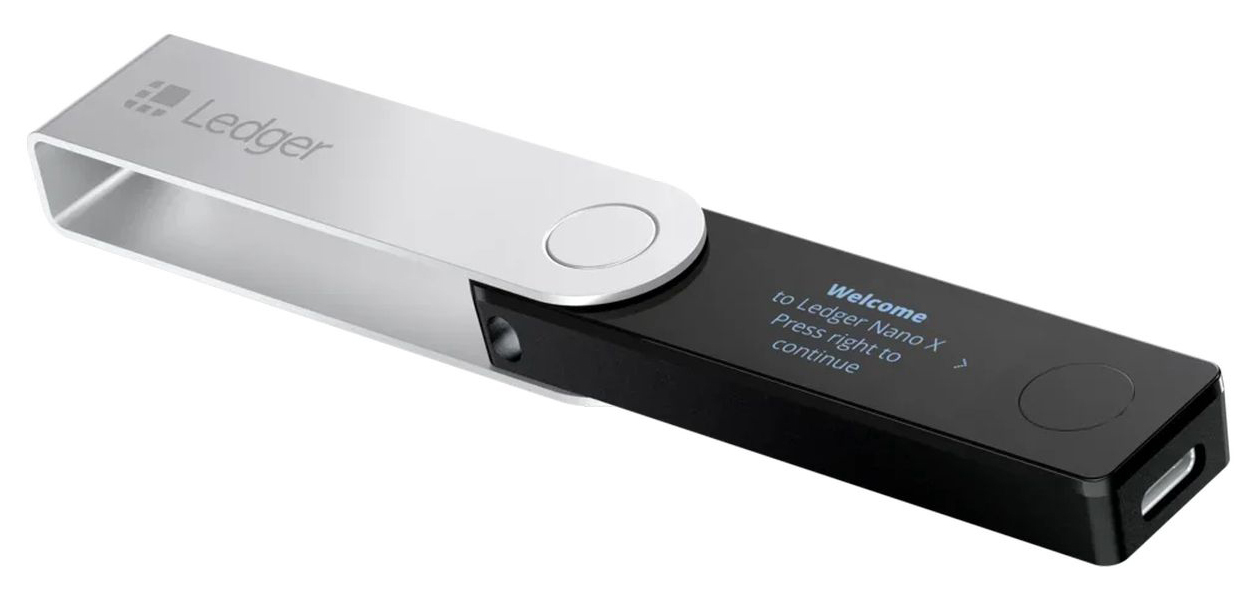
- Ledger Nano X
- Trezor Model T
- BitBox02
Why investors love them:
Maximum security
Easy backup and recovery
USB connectivity for transactions
A hardware wallet is one of the best choices if you’re holding crypto over months or years — ideal for long‑term investors in Germany.
How Crypto Wallets Work: Keys, Addresses, and Transactions (Explained Simply)
Understanding crypto wallets means understanding three key terms:
1. Private Key
- The ultimate secret code
- Must never be shared
- Allows access to your crypto
2. Public Key
- Derived from the private key
- Used to generate wallet addresses
3. Wallet Address
- Like a bank account number
- Used to receive crypto
Whenever you send crypto, the transaction is signed using your private key, and the network verifies it with the public key.
In short:
Public key = shared
Private key = guarded strictly
This is the core of blockchain security.
Setting Up Your Wallet (Step‑by‑Step Guide)
Let’s walk through setting up a basic wallet — MetaMask, one of the most widely used wallets in the market.
Step 1: Download MetaMask
Whether on your phone or browser, download it from the official site/app store.
Step 2: Create a New Wallet
Follow the prompts to generate a new wallet.
Step 3: Write Down Your Seed Phrase
You’ll receive a list of 12 or 24 words — this is your recovery phrase.
Write it down on paper. Do NOT save it digitally.
Step 4: Confirm Your Seed Phrase
You’ll be asked to confirm it — this proves you backed it up correctly.
Step 5: Add Funds
Copy your wallet address and use your exchange to send crypto to your wallet.
And just like that — your wallet is ready!
Choosing the Right Wallet in 2026: What German Investors Should Consider
When deciding between wallets, here are the key factors:
Security
- Do you control your private keys?
- Is the wallet open‑source and audited?
Ease of Use
- Beginner friendly?
- Easy to recover?
- Fast transaction management?
Compatibility
- Supports all the coins you hold?
- Works with DeFi, NFTs, and smart contracts?
Regulatory Compliance
- Does it comply with German crypto regulations?
- Does it allow legal tax reporting?
Investment Style
- Frequent trader?
- Long‑term HODLer?
- Diversified into DeFi and NFTs?
Your answers determine whether a mobile wallet, hardware wallet, or hybrid solution is best for you.
Top Wallets Used by Crypto Investors in Germany (2026 Update)
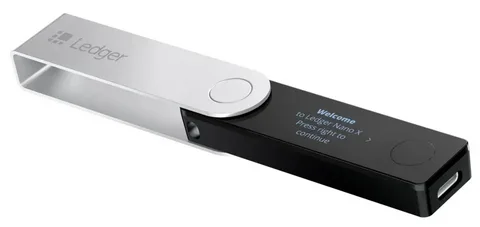
Ledger Nano X
Ledger Nano X is one of the most respected hardware wallets worldwide, known for its strong security features. It stores private keys offline, protecting crypto assets from online threats and hacking attempts. With Bluetooth support and a user-friendly design, it offers both safety and convenience for long-term investors.
- Supports 5,500+ coins
- Bluetooth enabled
- Strong offline security
Best for: Long‑term storage
Trezor Model T
Trezor Model T is another top-tier hardware wallet, featuring a secure and intuitive touchscreen interface. It keeps private keys offline, providing strong protection against online attacks. With support for multiple cryptocurrencies and advanced security features, it is a trusted choice for serious crypto holders.
- Great for beginners who want strong security
- Easy recovery process
Best for: High‑value investors
Trust Wallet
Trust Wallet is a popular mobile wallet that supports a wide range of cryptocurrencies. It includes a built-in Web3 browser, allowing users to interact easily with decentralized apps and DeFi platforms. With a simple interface and strong security features, Trust Wallet is ideal for both beginners and experienced crypto users.
- Good for active crypto users
- Easy access to decentralized apps (dApps)
Best for: Everyday use + DeFi
MetaMask
MetaMask was initially designed for Ethereum but has expanded to support multiple blockchains through plugins and custom networks. It enables users to manage tokens, connect with dApps, and explore DeFi platforms seamlessly. With its flexibility and strong community support, MetaMask is widely used across the crypto ecosystem.
- Excellent for smart contracts
- Popular with DeFi and NFT users
Best for: DeFi/NFT engagement
German Crypto Regulations & Taxes (What Investors Must Know in 2026)
Germany has one of the most established crypto tax systems worldwide. While we’re not providing legal advice, here are key points you should know:
Crypto Is Treated as Private Money
- If you hold crypto for over one year, capital gains may be tax‑free.
- Short‑term sales can be taxable as income.
Reporting Is Required
- You must declare gains and losses in your tax return.
- Keeping accurate wallet records simplifies reporting.
Crypto Service Providers Must Be Licensed
- Wallets and exchanges operating in Germany must follow AML/KYC rules.
Being compliant keeps you safe from penalties – and helps build trust with financial institutions. Always consult a tax professional for your personal situation.
Security Best Practices for Crypto Wallets
Crypto security is personal responsibility. Here’s what you must do:
Use Strong Passwords
No birthdays or cheap guesses – use a password manager.
Secure Your Seed Phrase
Paper backup only. Do not store it online.
Enable Two‑Factor Authentication
For any wallet that allows it.
Test Small First
When sending or receiving funds, always start with tiny amounts.
Keep Firmware Updated
Hardware wallets release updates – install them promptly.
Following these practices drastically reduces risk.
Backup and Recovery: Don’t Lose Your Crypto Wallet
Crypto wallets are only as safe as their backups.
If you lose your device or forget your password without a backup, recovery is impossible.
Best Backup Methods
- Write your seed phrase on multiple pieces of paper
- Store copies in secure places (e.g., safe boxes)
- Avoid digital copies on phones or cloud storage
Test Your Recovery Phrase
Periodically make sure you can restore your wallet with the backup.
This is your insurance against loss.
Wallets and Decentralized Finance (DeFi) in Germany
In 2026, DeFi is a major growth area – and your wallet is your gateway. With DeFi you can:
- Earn interest on crypto
- Provide liquidity
- Borrow/lend assets
- Trade in decentralized exchanges
To interact with DeFi you often need:
- MetaMask
- Trust Wallet
- WalletConnect
But caution: DeFi is powerful and risky. Never connect your wallet to unknown sites.
Mobile vs Desktop vs Hardware Wallets: Which Should You Choose?
| Feature | Mobile Wallet | Desktop Wallet | Hardware Wallet |
|---|---|---|---|
| Security | Medium | Medium | High |
| Convenience | High | Medium | Medium |
| Best For | Daily Use | Intermediate Users | Long‑Term HODLers |
Balanced Strategy:
Use a mobile or desktop wallet for small trades and a hardware wallet for long‑term savings.
Common Crypto Wallet Mistakes and How to Avoid Them
Keeping Crypto on Exchanges
Exchanges are convenient but not wallets. You don’t control the keys – they do.
Fix: Transfer assets to a personal wallet.
Not Backing Up Seed Phrase
This leads to permanent loss.
Fix: Backup securely and test recovery.
Falling for Fake Wallet Apps
Scammers create look‑alikes to steal keys.
Fix: Only download from official sources.
Future of Crypto Wallets: What’s Next in 2026 and Beyond?
The crypto wallet landscape is rapidly evolving:
Multi‑chain support – wallets that support dozens of blockchains
Smart contract integrations – deeper DeFi features
Biometric authentication – safer and easier logins
Regulatory compliance – better integration with German tax systems
As the industry evolves, investors who stay informed will benefit tremendously.
Crypto Wallet Checklist for German Investors
Before choosing and using any wallet, make sure:
You control your private keys
You’ve backed up your seed phrase
Security steps are enabled (2FA, updates)
You understand wallet tools and features
Your wallet supports your assets
This checklist will keep you ahead of mistakes almost every beginner makes.
Frequently Asked Questions (FAQs)
A crypto wallet stores your private keys, giving you access to your digital assets on the blockchain. It doesn’t hold the coins physically.
Yes, crypto wallets are legal in Germany, but investors must follow tax and regulatory rules for reporting gains.
Hot wallets are online and convenient for trading, while cold wallets are offline and safer for long-term storage.
Yes, as long as you have your seed phrase or backup, you can restore your wallet on a new device.
Mobile wallets like Trust Wallet or MetaMask are beginner-friendly, offering ease of use with sufficient security.
Use strong passwords, enable 2FA, secure your seed phrase offline, and avoid sharing your private keys.
Final Thoughts: Take Control of Your Crypto Journey
Crypto wallets are more than just storage tools – they are your gateway to financial independence, DeFi participation, and digital investing. For German investors in 2026, understanding wallets is no longer optional — it’s essential.
Here’s what to remember:
Control your private keys
Use cold wallets for savings
Secure backups are non‑negotiable
Stay informed about regulations
By mastering wallets, you not only secure your assets but also gain freedom and flexibility in a fast‑changing financial world.
Now it’s your turn – choose wisely, secure smartly, and let your crypto journey thrive in 2026 and beyond.