If you’ve been investing in cryptocurrency, or are thinking about getting started, you’re probably excited about the opportunities. But crypto scams are the real thing you shouldn’t ignore.
Every year, thousands of people lose their hard-earned money because scammers become smarter and more convincing. The good news is that most scams follow the same patterns. Once you know what to look for in safe cryptocurrency investment, they’re much easier to avoid.
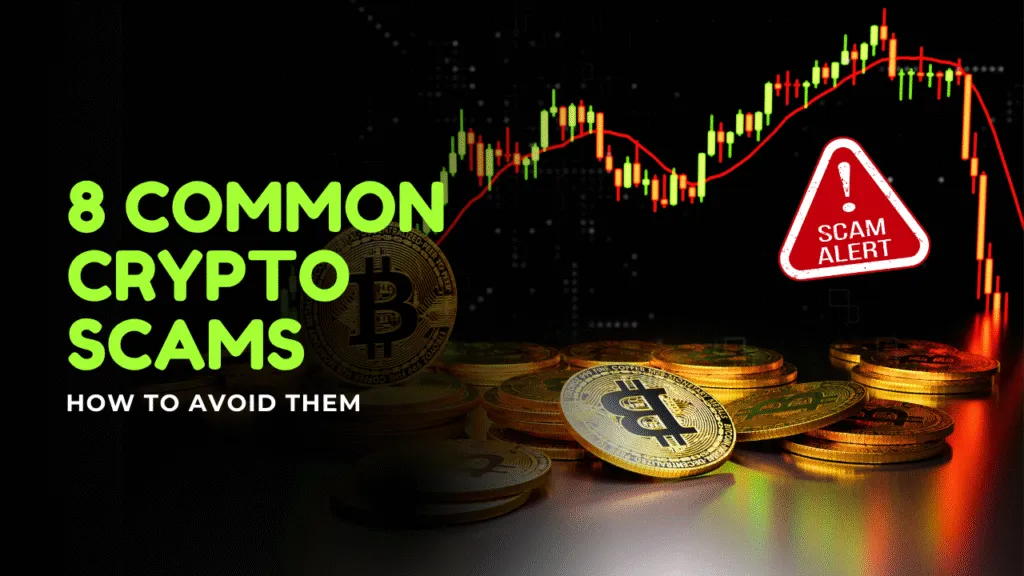
In this guide, I will explain the 7 most common crypto scams, how they work, and share practical tips you can use to protect yourself before it’s too late.
What Are the Most Common Crypto Scams?
The most common crypto scams are fraudulent schemes that trick people into sending cryptocurrency, revealing sensitive information, or investing in fake projects.
The three scams that affect the most people are:
- Phishing scams
- Fake investment platforms
- Rug pulls
Now, let’s look at each scam in detail so you know exactly what to watch out for.
7 Common Crypto Scams and How to Prevent Them
Scammers rely on trust, urgency, and excitement to fool people. Once you understand their tactics, you’ll be much less likely to become their next victim.
1. Phishing Scams
Imagine receiving an email that looks exactly like it’s from your favorite crypto wallet. It asks you to verify your account by clicking a link. Everything appears legitimate, but the website is fake.
Once you enter your login details or recovery phrase, the scammer gains access to your wallet and can steal your cryptocurrency within minutes.
How to Prevent It?
- Always double-check the website URL before logging in.
- Never share your wallet’s recovery phrase with anyone.
- Turn on two-factor authentication (2FA).
- Bookmark official exchange websites instead of clicking email links.
- Ignore unexpected emails asking you to verify your account.
If you’re looking for reliable options, check out our guide to the most popular crypto exchanges.
2. Fake Investment Platforms
You’ve probably seen advertisements promising guaranteed profits or people claiming they doubled their money overnight. That’s exactly how fake investment platforms attract victims.
These websites often display fake profits to convince you to invest even more money. When you finally try to withdraw your funds, your account suddenly becomes inaccessible—or the website disappears completely.
How to Prevent It?
- Research every platform before investing.
- Stay away from anyone guaranteeing profits.
- Read independent customer reviews.
- Test withdrawals with a small amount first.
- Use only well-known and trusted crypto exchanges.
If you’re interested in decentralized investing, stick to established protocols. Our guide to the best DeFi platforms highlights some of the most trusted options.
3. Rug Pull Scams
A rug pull happens when developers launch a new cryptocurrency project, attract investors with exciting promises, and then suddenly disappear after taking everyone’s money.
Once they remove the project’s liquidity, the token’s value crashes, leaving investors with coins that are practically worthless. Knowing the difference between crypto coins and tokens can also help you evaluate new projects more confidently.
How to Prevent It?
- Research the project’s team and background.
- Look for independent smart contract audits.
- Check whether liquidity is locked.
- Be cautious of anonymous developers.
- Don’t invest just because everyone on social media is talking about it.
4. Giveaway Scams
You’ve probably come across posts saying something like, “Send 1 ETH and receive 2 ETH back instantly.”
Whether scammers pretend to be celebrities, influencers, or major crypto companies, the trick is always the same. They ask you to send cryptocurrency first. Once you do, your money is gone forever.
How to Prevent It?
- Remember that legitimate giveaways never require upfront payments.
- Verify announcements on official websites.
- Ignore offers that sound too good to be true.
- Report fake giveaway posts.
- Never send crypto expecting someone to send back more.
5. Romance Scams
Romance scams don’t begin with cryptocurrency. They begin with trust.
A scammer builds an online relationship through social media or dating apps. After gaining your confidence, they introduce a “great investment opportunity” or ask you to send cryptocurrency to help them financially.
By the time victims realize what’s happening, they’ve often lost thousands of dollars.
How to Prevent It?
- Never invest based on advice from someone you’ve only met online.
- Keep your personal and financial decisions separate.
- Verify people’s identities independently.
- Never send cryptocurrency to someone you haven’t met in person.
- Talk to family or friends if something feels suspicious.
6. Impersonation Scams
Scammers often pretend to be customer support representatives, government officials, or even well-known crypto experts.
They’ll contact you unexpectedly, claim there’s an issue with your account, and ask for sensitive information or request that you transfer your cryptocurrency to a “safe wallet.”
In reality, they’re simply trying to steal your funds.
How to Prevent It?
- Contact customer support only through official websites.
- Never share passwords or recovery phrases.
- Verify the identity of anyone claiming to represent a company.
- Ignore unsolicited support messages.
- Report fake accounts immediately.
7. Pump-and-Dump Schemes
Pump-and-dump scams usually target newer investors.
A group artificially inflates the price of a little-known cryptocurrency by spreading hype across social media. As more people buy in, the organizers quietly sell their holdings for a profit.
I’ve noticed that many investors fall for these schemes simply because they fear missing out. You should read my guide on the psychology of FOMO in crypto markets, which can help you recognize emotional decisions before they become expensive mistakes.
How to Prevent It?
- Don’t invest based on online hype alone.
- Research the project’s real value.
- Be cautious of sudden price spikes.
- Diversify your investments.
- Focus on long-term investing instead of chasing quick profits.
Final Thoughts
The cryptocurrency market offers exciting opportunities, but it also attracts scammers looking to take advantage of unsuspecting investors. The good news is that most scams become much easier to recognize once you understand how they work.
Whenever someone promises guaranteed returns, pressures you to act immediately, or asks for your recovery phrase or cryptocurrency, treat it as a major warning sign. A few minutes of research can save you from losing thousands of dollars.
Stay informed, think before you invest, and always remember that protecting your crypto starts with protecting yourself.
People Also Ask
What is the most common crypto scam?
Phishing scams are the most common because they trick people into revealing wallet credentials or recovery phrases through fake websites, emails, and messages.
Can stolen cryptocurrency be recovered?
Sometimes, but in most cases, crypto transactions are irreversible, so recovering stolen funds is extremely difficult.
How can I tell if a crypto platform is legitimate?
Look for a strong reputation, positive independent reviews, transparent leadership, robust security features, and a proven track record before investing.
What should I do if I think I’ve been scammed?
Stop sending money immediately, secure your accounts, contact your crypto exchange, and report the incident to the appropriate authorities.
Is cryptocurrency safe for beginners?
Yes. As long as you use trusted exchanges, secure your wallet, and learn how common scams work, cryptocurrency can be a safe investment for beginners.